
Everyday Smart Living
If I could wave a wand and fix one thing in smart homes, it would be presence detection. Why PIR and mmWave sensors still get it wrong, what we do about it today, and what you would fix.
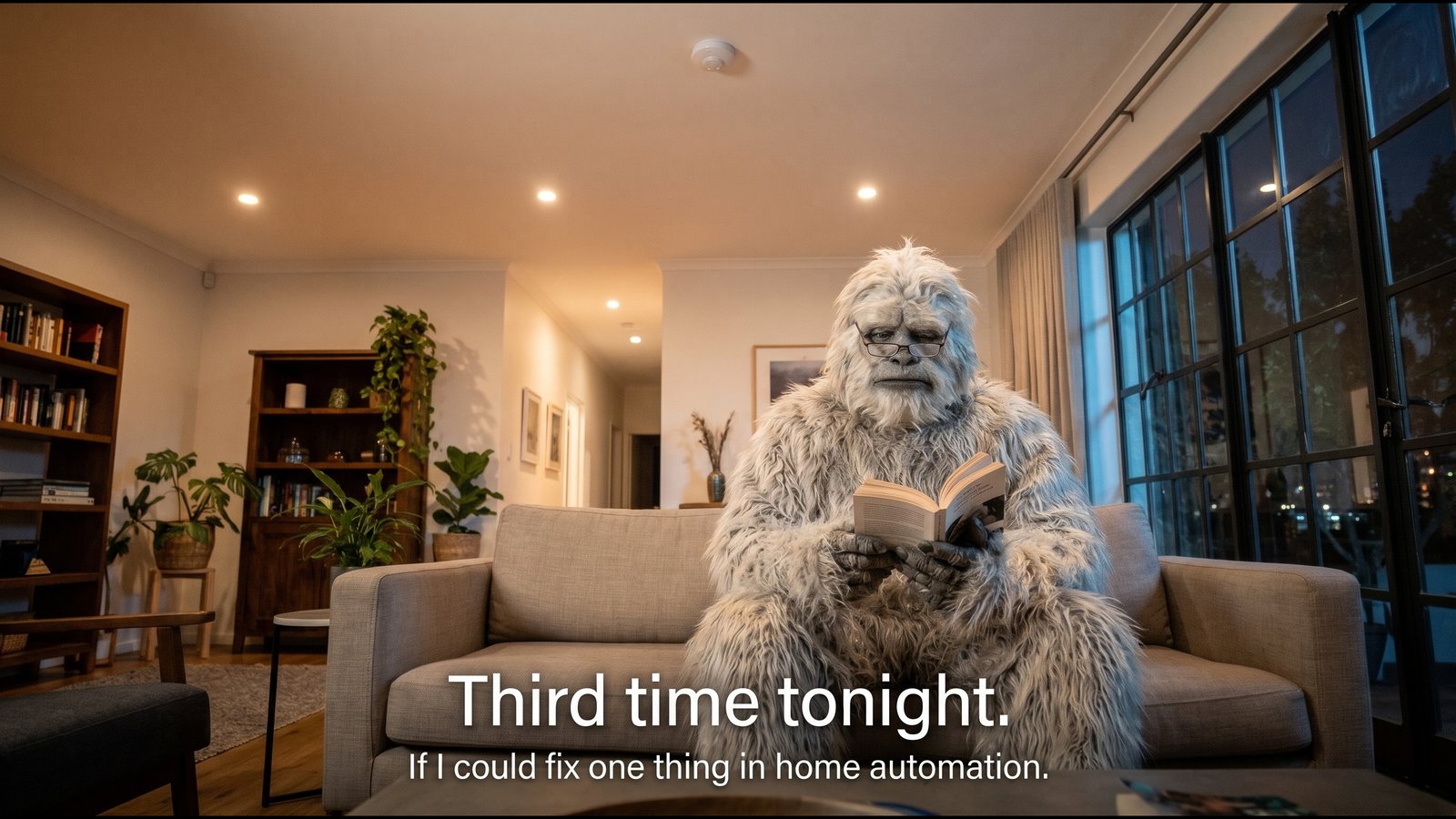
Here’s a question worth asking anyone who builds smart homes. If you could wave a wand and fix one thing in home automation, what would it be?
My answer comes quickly. I’d make the house know, properly, when someone is in the room.
I wouldn’t ask for a bigger screen or a smarter voice assistant. I’d ask for presence.
Nearly everything good in an automated home starts with one question: is anyone here?
Lights come on when you walk in and go off when you leave. The aircon eases off in an empty room. Blinds, music and the alarm all lean on the same answer. When the house gets that answer wrong, it doesn’t feel smart anymore. It feels broken.
A PIR sensor sees movement. Walk into a room and it’s great. Sit still on the couch with a book and, a few minutes later, the lights go off and you’re waving your arms at the ceiling like you’re landing a plane.
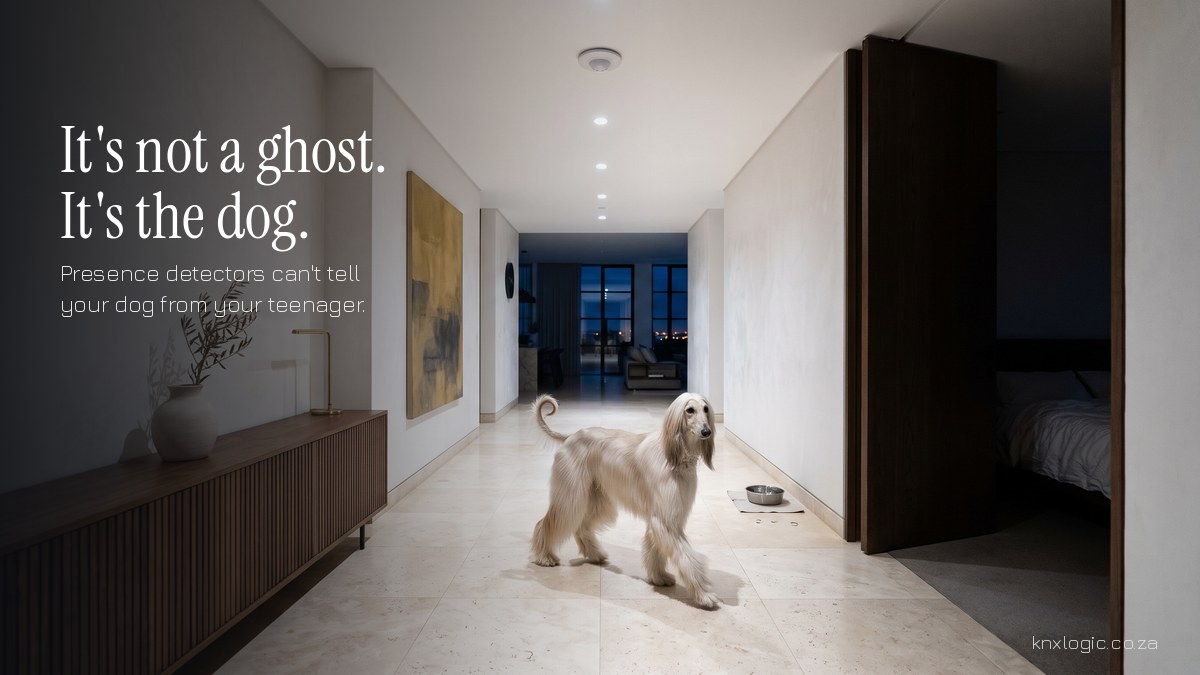
mmWave radar sensors are much better with stillness. They’re sensitive enough to pick up someone breathing. That sensitivity cuts both ways, though. A ceiling fan, a curtain moving in the breeze or the dog asleep on the rug can all look like a person.
And neither of them tells you who is in the room, or how many people. The house can’t tell me from the house-sitter, or one person from a dinner party of eight.
Honestly, we work around it. On a project that means:
It works. But it’s design time and setup time in every room, on every project, to make up for a sensor that should just know.
Proper integrations. Too many devices “integrate” with only on and off, no status coming back, or control that only works through someone else’s cloud. A real integration tells you what the device is doing, locally, every time.
That’s my one fix. What’s yours?
If you could wave a wand and fix one thing in your smart home, or the one you’re planning, what would it be? Leave it in the comments. The best answers might just become future posts.
And if you’re planning a build or renovation and want presence done properly from the start, I’m happy to talk it through. Just a conversation about what the project needs.
wayne@knxlogic.co.za | 082 564 3982 | www.knxlogic.co.za
Planning a build or renovation? See what we automate, the hardware we specify, or common KNX questions.